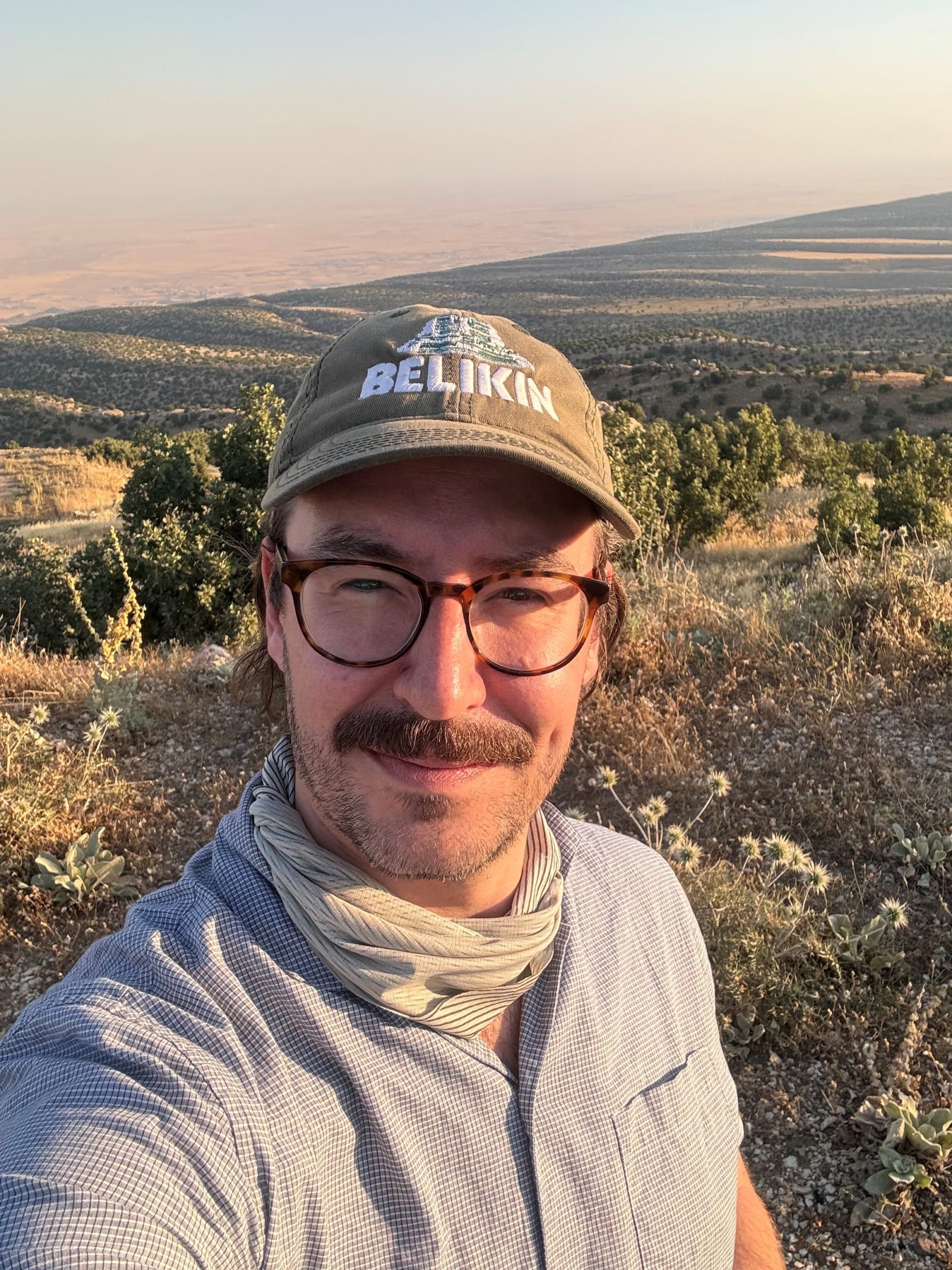
Nathaniel Brunt, Ph.D.

Hannah Arendt Fellowship 2026 “Democracy”

Junior Fellowship | Visual Culture, Photographic Studies, Memory Studies

Nathaniel Brunt is an interdisciplinary scholar, documentarian, and educatorHis documentary and academic work critically examine modern armed conflict and the way it is, and has been, represented photographically.

Brunt completed his PhD in the Communication and Culture joint program at Toronto Metropolitan University and York University. SSHRC and the Pierre Elliott Trudeau Foundation supported his research. Brunt’s photographic work has been widely published and exhibited internationally. He is currently working on long-term projects in Northern Iraq and Kashmir and is a cross-appointed post-doctoral fellow at the Centre for Global Studies and the University of Victoria Libraries. While diverse in format, Brunt’s work is connected by a commitment to producing projects that personalize the often-abstract nature of modern war.

Nathaniel Brunt, Ph.D., Hannah Arendt Fellow 2026

/ Yazidi Digital Vernacular Archives and the Ethics of Memory: Visual Culture, Conflict, and Civic Transformation in Lower Saxony & Iraq

This project investigates how community-based photographic archives from Yazidi communities in Lower Saxony and Iraq can be ethically digitized, preserved, and mobilized to strengthen democratic participation and pluralism. Building on Dr. Nathaniel Brunt’s ongoing work with Yazidi communities through The Sersal Project, as well as his background in documentary photography, the research combines archival inquiry, community engagement, and collaborative infrastructure planning with TIB Hannover’s Open Science Lab. Working within a postcustodial framework, the project aims to co-develop practical guidelines for at-risk vernacular visual collections, produce scholarly and creative outputs, and establish transnational partnerships that support accountability, rights claims, and inclusive historical memory.

The project engages critical debates in visual culture, archival theory, and digital heritage concerning the political work of images and the ethics of memory. Following Ariella Aïsha Azoulay’s argument that archives are not passive repositories but active sites in which citizenship and rights are negotiated, the research approaches vernacular photographic archives as arenas of civic claim-making and democratic visibility. Brunt’s experience documenting and researching conflict and mass violence informs this approach, demonstrating how photographic archives can become urgent political tools for communities confronting cultural erasure in the aftermath of genocide and displacement. In contexts where civil and human rights are routinely threatened, digital archival work can function as a form of political action by fostering social inclusion, challenging dominant narratives, and creating deterritorialized civic spaces that support pluralistic futures.

Lower Saxony, home to the largest Yazidi community outside Iraq, offers a particularly significant setting for this work. Its position creates distinctive opportunities for transnational collaboration among community stakeholders, research infrastructures, and public institutions. In this context, the project situates community-held photographs as active resources through which belonging, recognition, and accountability may be negotiated across borders.

/ Project Activities

Host

TIB Hannover, logo

Partner

Prof. Dr Ina Blümel, tandem partner 2026

Prof. Dr Ina Blümel

Prof. Dr. Ina Blümel is an information scientist and architect, Professor for Linked Data in Information Science at Hochschule Hannover and Deputy Team Lead of TIB’s Open Science Lab. Her work focuses on open, collaborative knowledge creation, information modelling, linked data, digital humanities, and responsible digital infrastructures. As co-spokesperson of NFDI4Culture and founder of the Joint Lab “Future Libraries & Research Data,” she provides a strong bridge to the fellowship project’s aim of developing ethical, community-centred workflows for Yazidi digital vernacular archives, including metadata, Wikibase, PID systems, and sustainable access models.