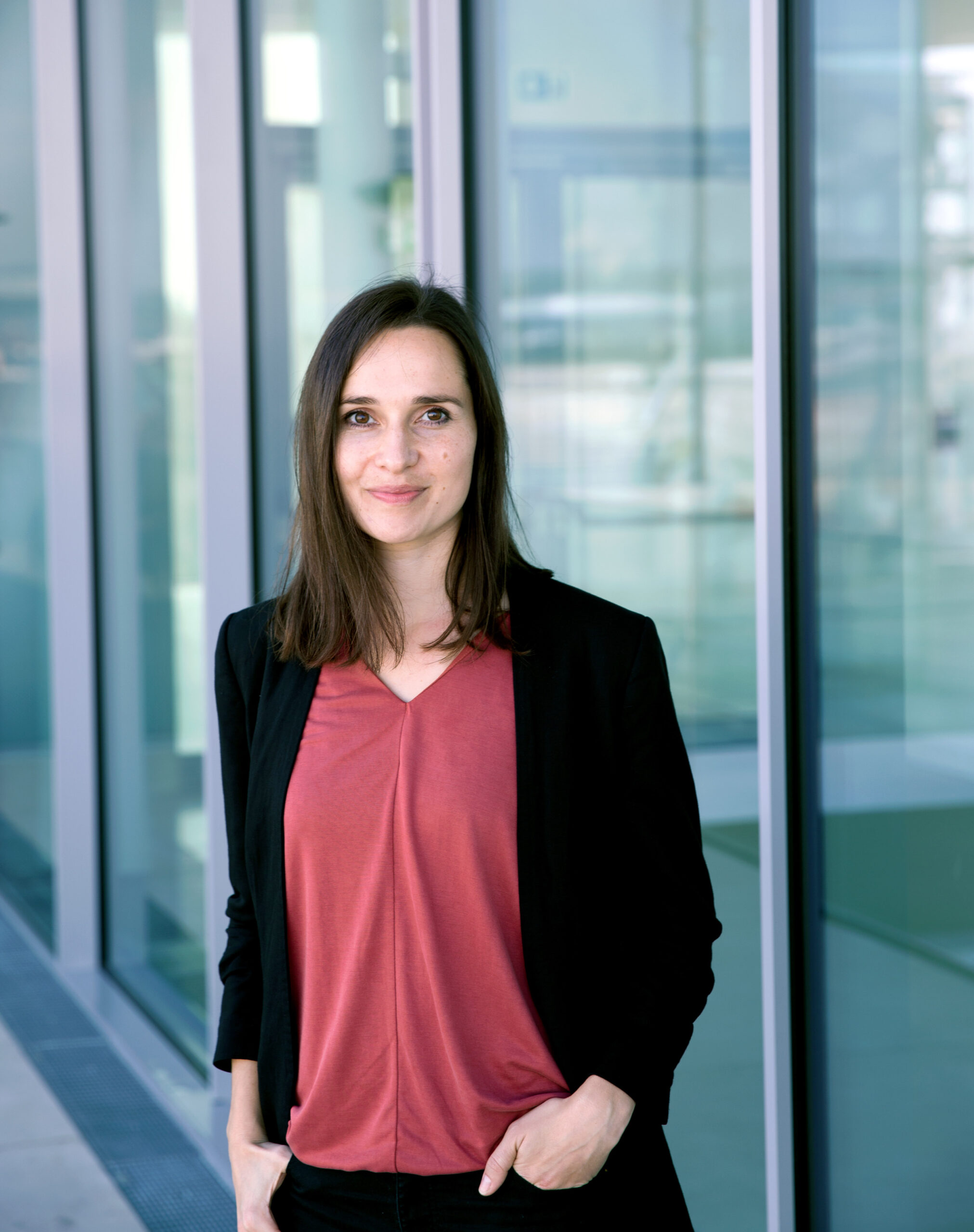
Dr Fabienne Lind
Hannah Arendt Fellowship 2026 “Democracy”
Junior Fellowship | Computational Social Science, Digital Publics, Comparative Crisis Communication
Fabienne Lind is a Postdoctoral Researcher at the Department of Communication at the University of Vienna. Her work examines the contents, structures and dynamics of digital public spheres, with a special focus on global and transnational discourse. Combining traditional empirical methods with computational approaches, Fabienne studies political, international, and environmental communication. More specifically, her work addresses how digital communication shapes public understanding and the negotiation of social-ecological transformation and gender equality. Projects are focused on the social media communications of parties and media on controversial climate policies, on far-right ideologies on TikTok, and on the impact of media information on knowledge gaps. Informing the empirical studies, Fabienne’s work is further focused on methodological innovation in the area of digital methods, specifically computational multilingual text analysis and measurement validity. Her work critically examines issues of accessibility, quality, and fairness—including linguistic and sociopolitical biases in large language models, as well as robust validation strategies for comparative platform research.
Watch a short video about her fellowship project here.
Host
Partner
Jun.-Prof. Dr Christine E. Meltzer
Christine E. Meltzer is an assistant professor at Hanover University of Music, Drama, and Media. Her research focuses on the role of media and music in intergroup conflicts and social inequality, with particular focus on media and migration, and violence against women. Her work critically examines questions of representation and visibility, including intersectional patterns of inclusion and exclusion in media content, as well as the consequences of skewed media images for public attitudes and political behavior.