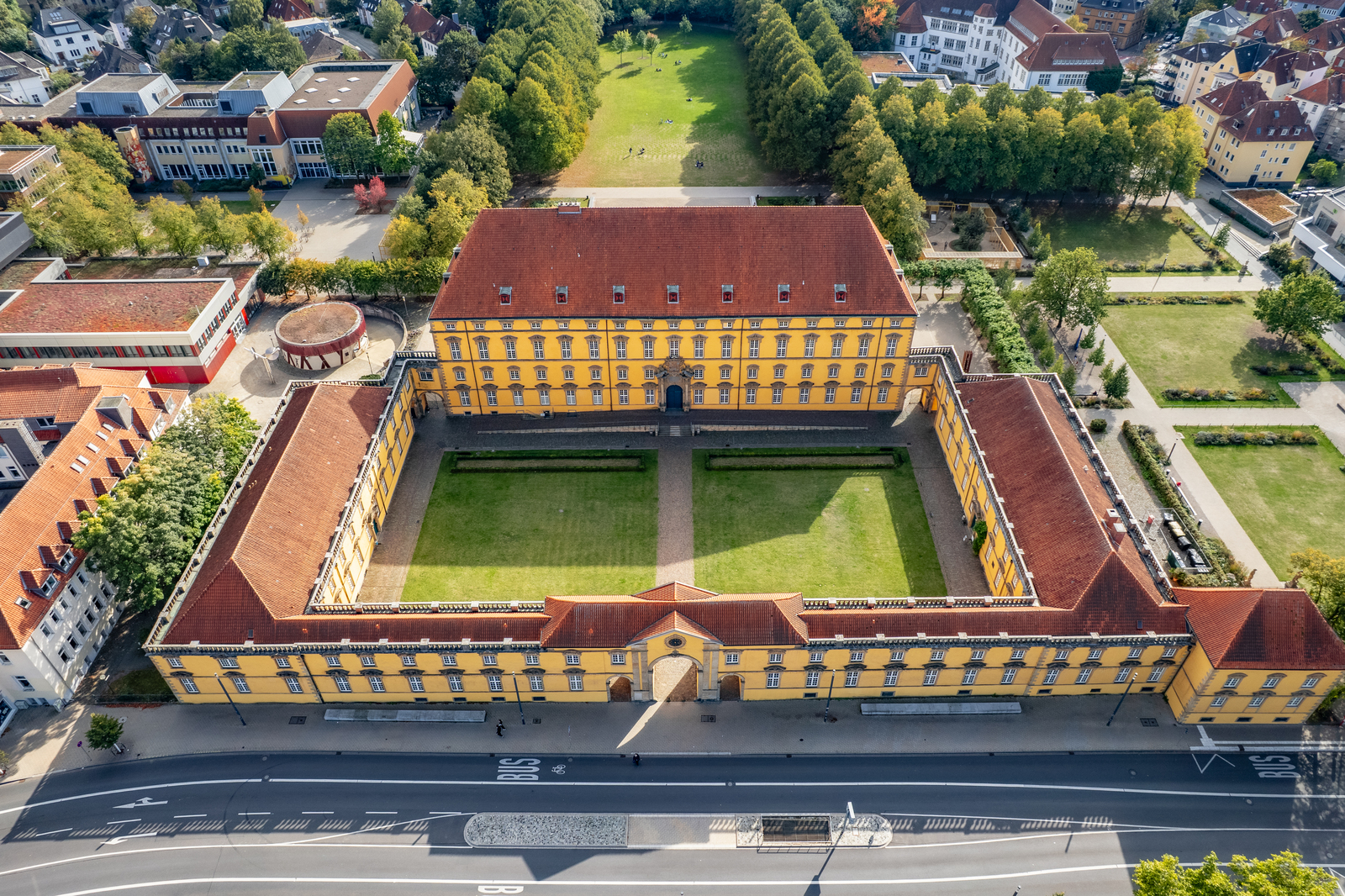
Osnabrück University is a dynamic university in north-western Germany with a distinctive profile in the humanities, cultural studies and social sciences as well as biology. Since its foundation in 1974, it has developed a strong interdisciplinary culture that bridges historical inquiry, linguistic and literary studies, theology, philosophy, education, and the social sciences.
A particular distinguishing feature is the Collaborative Research Centre (Sonderforschungsbereich) on migration, funded by the German Research Foundation (DFG). This large-scale, long-term research initiative brings together scholars from history, sociology, cultural studies, law, and related fields to examine migration as a complex social and cultural process across time and space. By integrating empirical research with conceptual innovation, the centre has established Osnabrück as a leading hub for interdisciplinary migration studies in Germany and beyond.
In addition to its strengths in the humanities and social sciences, the university is also internationally recognised for its research in biology. A further DFG-funded Collaborative Research Centre addresses how membranes and their lipid code control the plasticity of membrane protein functions – and how in turn membrane properties are maintained and adapted in response to the environment.
International scholars benefit from a supportive research environment, including dedicated welcome services, third-party funding advice, and integration into vibrant academic networks. Modern library services, digital research infrastructures, and close cooperation with regional and international partners further enhance Osnabrück’s appeal as a globally connected location for innovative research.